
Saturday, December 13, 2008
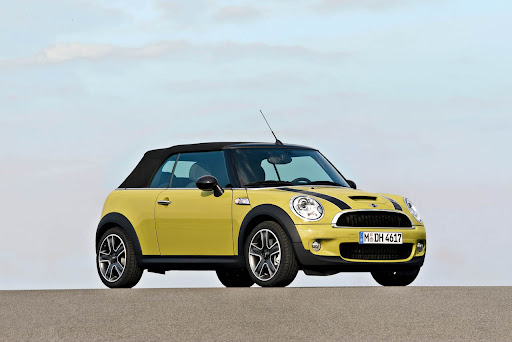
The new Mini Coupe Cabrio, four-seat convertible comes with evolutionary design coupled with increase functionality, powerful engines, specially tuned suspension and enhanced safety technology.

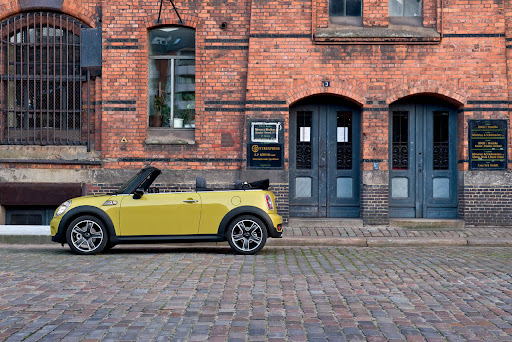
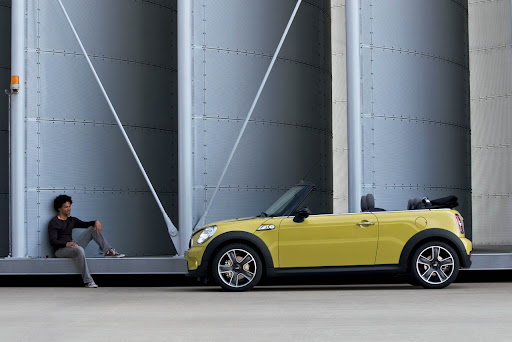
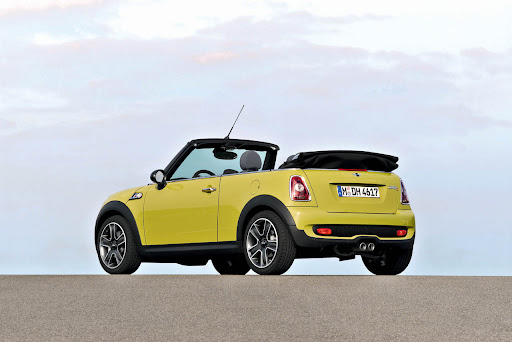
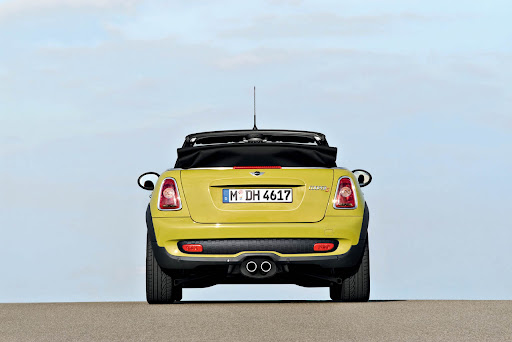
The 2nd generation MINI convertible is quite similar to its 1st generation. The current coupe's engines will be ported over to the convertible and high performance JCW package will be be offered once launch. The base engine is 1.6 liter four cylinder, featuring full variable valve management which gives a maximum output of 118 horse power at 6000 rpm, while the S comes with a Twin Scroll turbocharger engine with direct gasoline injection capable of delivering 172 horse power at 5500 rpm. Both engines come with a six speed manual with optional automatic transmission.
The new MINI Convertible has improved its suspension technology over the former model. Bringing the agility and safety to a next level is the sophisticated wheel suspension, powerful braking system, precise electromechanical power steering and Dynamic Stability Control (DSC) which are all available as standard features.
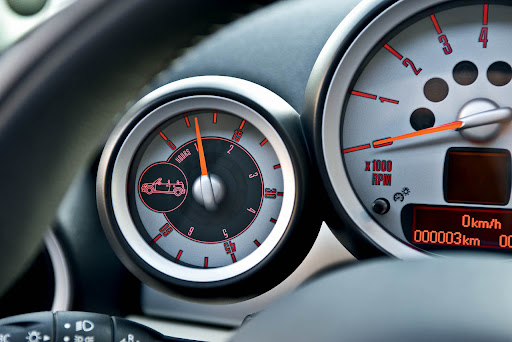
Times spent open-air motoring can be recorded on the unique Openometer which is located next to the tachometer.
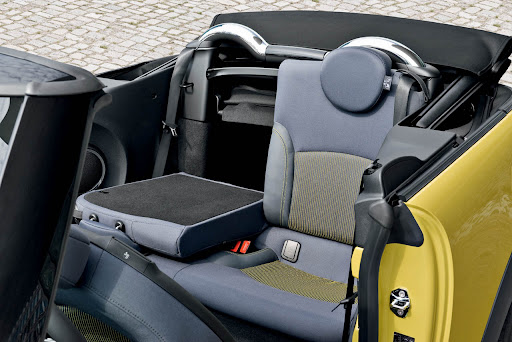
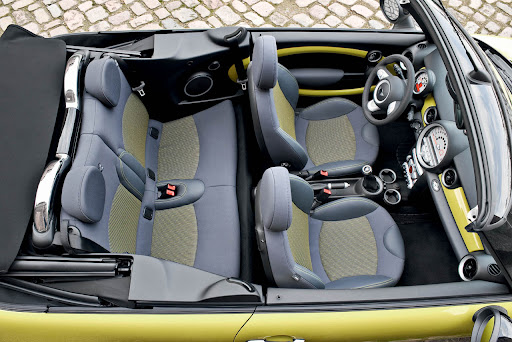
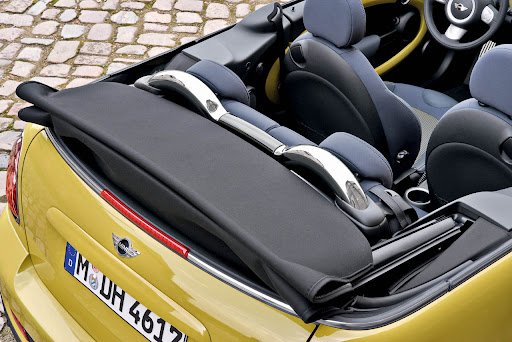
A better rearward visibility is made possible with the removal of the fixed rear hoops by the pop-up units. There is however, no compromise in the protection for occupants in the event of a rollover with the increase in the rearward visibility.
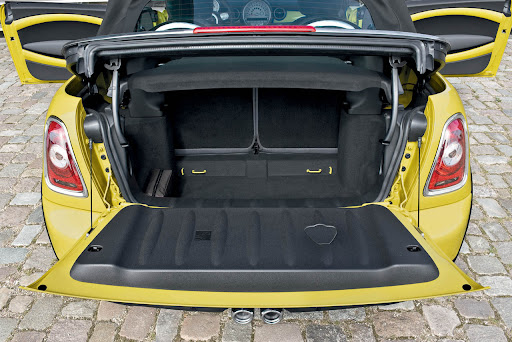
The new Easy Load Function featuring folding rear seat backrest streatches the cargo capacity to 23.1 cubic feet.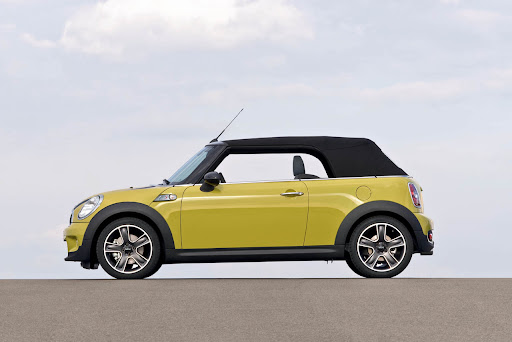


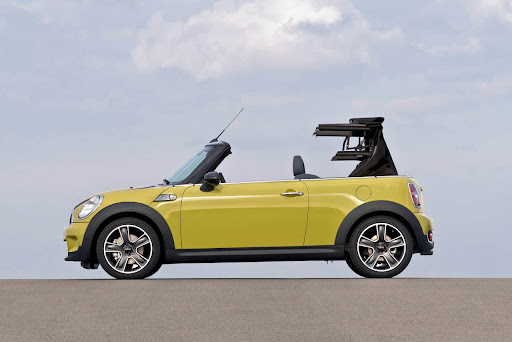

The soft top which is integrated with sliding roof function, reliably protects driver and passenger from the element when it is up can be lowered automatically in 15 seconds flat, even when the car is on the move for up to 20mph.

Labeled as the "Sport Activity Coupe", BMW launched the 2009 X6 coupe-crossover, resembling to the popular X6 Concept. Comes with all new exterios, new twin turbo V8, the 2009 X6 will be a craze! BMW is the first to introduce such SUV to the market, though Land Rover have just unveiled it's LRX coupe crossover concept recently. The X6 has very little change compared to the concept except for the design change on the side windows. The B and C pillars are not visible on the concept but are now dividing the glass. Excitingly, the X6's front fender survived the concept and made it to production. The front quarter panel surrounds the entire headlamp, complete with the aggressive front fascia with large air intake and stylish fog lamps.


The new X6 roofline arches downwards after the B pillar and continues to the right down to the X6's rising waistline. Longer and lower compared to the new X6, the X6 only seats four. Lacking in seating and storage, the X6 however, gains in performance. Almost an inch longer in wheelbase and two inches in width compared to X5, the X6 is however 3.3 inches lower in height compared to X5.


The iDrive facility keeps the panel clean and the center stack of the X6 is placed with buttons of the most commonly used control. Very considerate design. The iDrive mutifunction knobs gives access to many functions and are user friendly. The owner of the new X6 will surely be amazed with the navigation system which can be programmed while on the move allowing passenger to key in destination without disrupting the journey. There is a rotary dials for radio volume and HVAC temperature controls. However, the fan speed is using rocker switch.


The interior of the X6 fares well, having a rich look and feels of quality design and meterial. Due to the design on the roofline, the X6's rear cargo and headroom is compromised. The seats can be controlled from the multifunction switches, allowing the front seat occupant to active the one seat massage and setup support according to their taste, providing comfort for journey. The main color of the X6 interior is schwarz and the brushed metal and dark wood finished the cavern.


The X6 xDrive50i comes with a twin turbo 4.4 liter V8 engine, capable of producing 407 horsepower at 5500 rpm and 446 pound-feet of torque between 1750 rpm and 4500 rpm. Capable of sprinting to 62 mph in 5.4 seconds, the fuel consumption of the X6 is estimated at around 19 mpg (U.S. gallons)
The X6 xDrive35i comes with a twin turbo 3.0-liter inline-six from the 335i, capable of producing 306 horsepower.

Honda FC Sport Concept is a hydrogen powered three-seat concept sport car. First revealed at the 2008 Los Angeles Auto Show, the FC Sport emphasize on the flexibility of the Honda's V Flow fuel cell technology which is already available on Honda FCX Clarity sedan. Some modification was made to the design on the Clarity results in a lightweight design with ultra-low center of gravity, complete with excellent motor performance and zero emission. The aerodynamic body as well as high output from the fuel cell powertrain makes it all possible for the car to deliver excellent performance. The balance weight distribution is due to the vehicle mass distributed between the axles, while the low center of gravity is contributed by the modular approach to fuel cell component packaging and the electric drivetrain.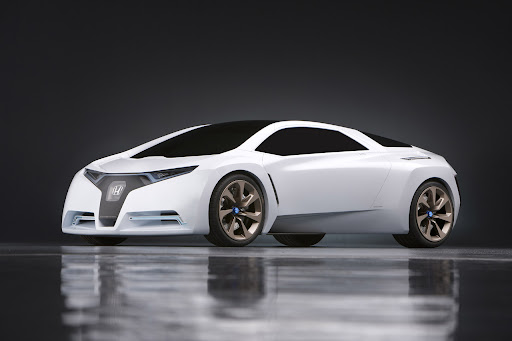
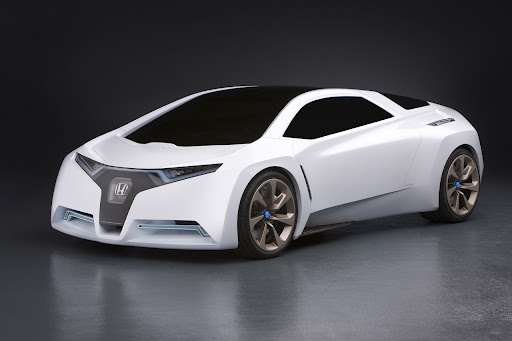
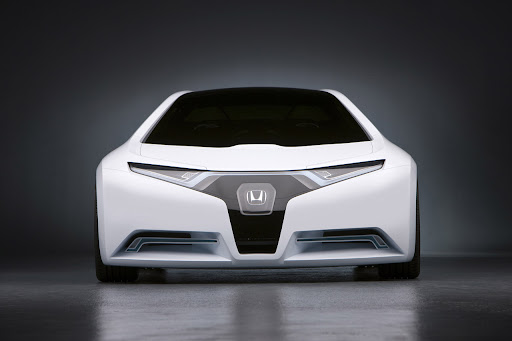

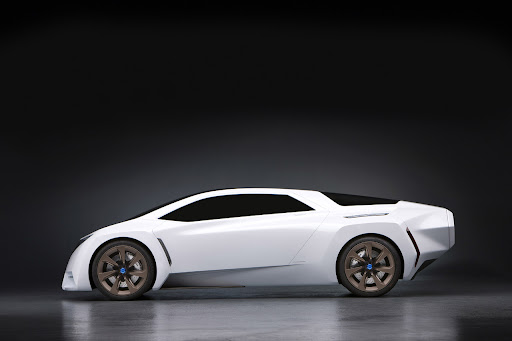
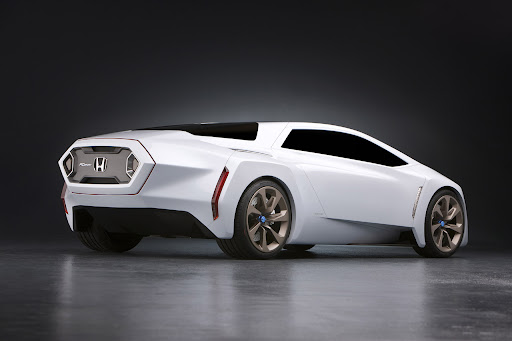
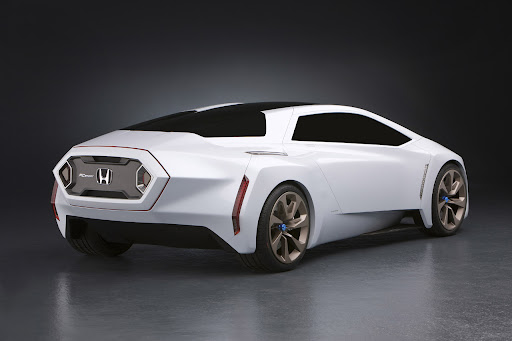

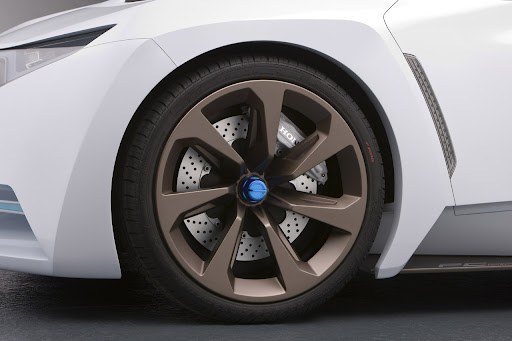
The FC Sport's clean environmental aspiration is conveyed through the glacier white body color while the dark wheels and tinted glass symbolize the Honda FC's unique combination of clean power and performance. The green construction technique also reduces the carbon footprint while the body construction is based on the organic, bio-structure theme whereby the exterior panel are intended to use plant-derived bio-plastic.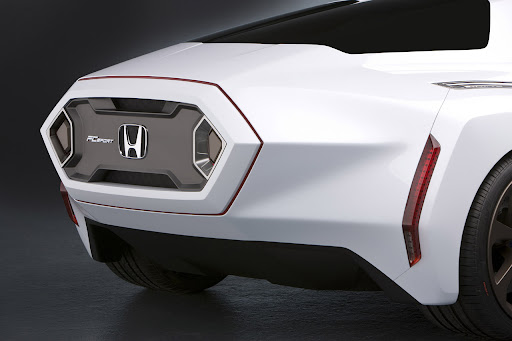
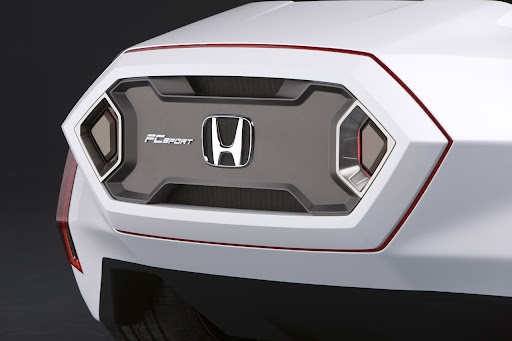
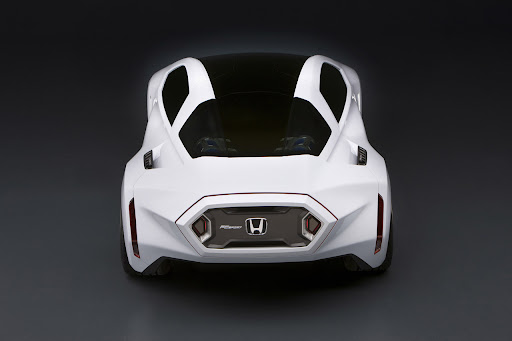
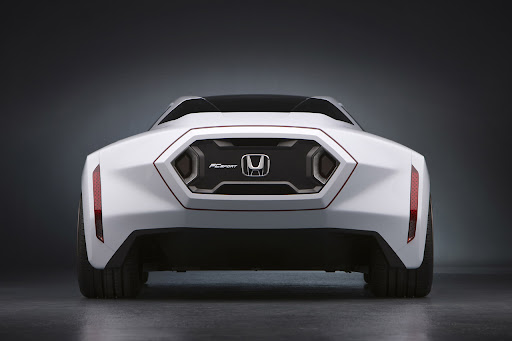
The low profile body looks futuristic. The rear hex forms in the rear houses cooling radiator for the fuel cell which is visible from the rear deck. The high speed aerodynamic of the FC Sport is further enhance with the Formula 1 style barge boards behind the front wheels.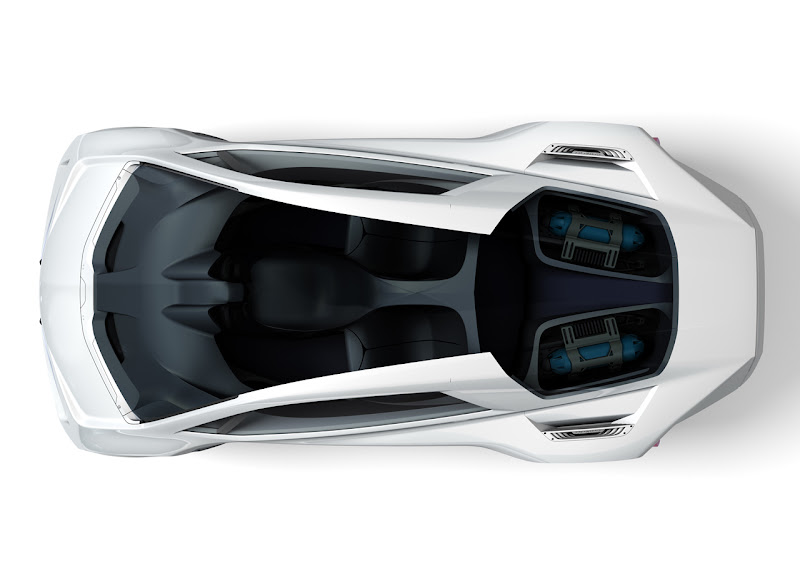
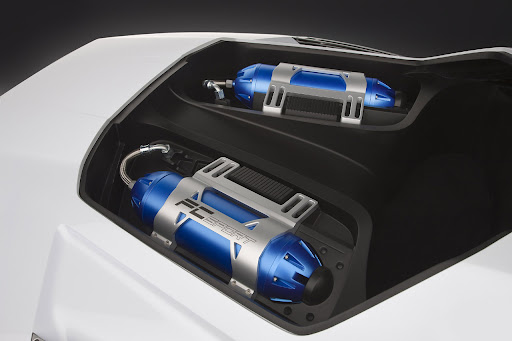

The ideal placement of the Honda V-Flow fuel cell stack and related components demonstrates the benefits of a platform-specific, hydrogen-powered fuel cell powertrain. The FC Sport is configured to accommodate a custom-formed high-power fuel cell stack, located between the rear seats, and a battery pack placed low in the middle of the vehicle. The electric motor resides just forward of the rear axle. Two fuel storage tanks, visible from above, are located above the rear axle. The optimal placement of fuel cell components for performance also allows for a relatively large passenger cabin by conventional supercar standards with enough space for three seating positions. The interior layout focuses primarily on the driver with a racecar-like center driving position. The enclosed canopy opens upward from the rear to allow for entry and exit. Two rear passenger seats flank the driver's left and right side.

